Patio Furniture Checks Before Summer Use
Warm weather has a way of making patio furniture look suddenly neglected. A chair that seemed fine in storage may now have a loose leg, a faded seat, or a cricket in the frame. A short inspection before the first outdoor meal can catch small problems early and help decide whether a piece needs cleaning, adjustment, or outdoor furniture replacement parts.
Resin furniture is a practical choice for patios, dining areas, poolside settings, gardens, and commercial spaces because it handles outdoor use well. It still needs a careful look after months of rest, cover, or low use. The goal is not to make every piece look new. The goal is to find anything that affects comfort, stability, or safe use.
Start with the frame and joints
Begin at eye level, then look lower. Resin frames can hide stress at the points where legs, arms, and backs meet. Check each chair or table for cracks around joints, loose connections, sharp edges, or a part that sits at a strange angle. A small hairline mark on a surface may be cosmetic, while a split near a joint deserves attention sooner.
Gently rock each piece on a flat surface. It should feel steady, not twist or wobble as if one leg is shorter than the others. If stacking chairs are part of the setup, check that the stacking points still line up cleanly. Warped or damaged stacking capacity can make stacks lean, scrape finishes, or become awkward to move.
Pay attention to hardware if the design uses it. Screws, bolts, and inserts should sit flush and hold firmly. Rust stains around a fastener may point to moisture buildup in or near the frame. A missing cap can let water enter a hollow section, so it is worth replacing before the piece spends another season outside.
Check seats, backs, and surfaces
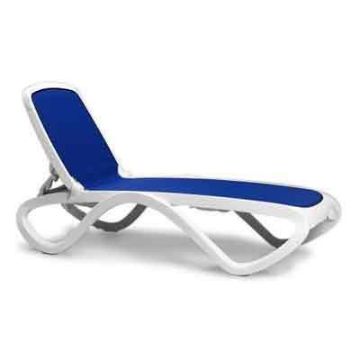
Seating gets the most repeated pressure, so inspect the parts that carry weight. Look for sagging panels, split edges, or a backrest that no longer locks into place. On dining chairs, run a hand along the seat edge to catch rough spots that might catch clothing or skin. On loungers, check the adjustment points and make sure each position settles securely.
Air around a pool or garden can leave residue on surfaces, even when furniture has been covered. Dirt, sunscreen, pollen, and mineral marks can build up in corners and seams. A soft brush with mild soap and water is usually enough for routine cleaning. Avoid harsh scouring pads or strong cleaners that can dull the finish or leave a film that attracts more dirt.
Color is another useful clue. Even fading can be normal with UV exposure, uneven bleaching may show that one section has been covered differently or exposed for longer. Surface discoloration alone does not always mean a part is weak. Pair what you see with how the piece feels when pressed, lifted, and sat on carefully.
When resin patio chairs are stored close together, trapped moisture can leave marks on contact points. Let pieces dry fully before placing covers back on them, and check that cushions or pads are dry as well. This matters most after spring rain or storage in a damp area.
Look for weather and storage wear
Covers protect furniture, but they can also hold water if they sag or collect leaves. Check the condition of the furniture under the folds, not just the exposed top. Seams, leg ends, and the underside of seats are common places for grime to settle. If a cover has tears, replace it before the next wet stretch.
Winter storage can leave furniture pressed into an awkward position for months. Chairs may be upside down, tables may be tilted, and small parts may be tucked away separately. Give each piece a full turn before use. Look underneath and behind the backrest, where scuffs are easy to miss during a quick visual pass.
UV exposure affects different materials in different ways. Resin may become less flexible or more brittle after long seasons in strong sun, especially where a piece has been left uncovered. Flex a non structural edge lightly rather than forcing a loaded area. If a part feels unusually stiff, cracked, or ready to snap, keep it out of regular use until it is repaired or replaced.
Know which parts are worth replacing
Not every damaged item needs a full replacement. Some issues involve a single component, while others point to broader wear. Replacement parts are most useful when the rest of the piece is sound and the damaged section can be removed without forcing surrounding material.
Common candidates include:
- Leg caps, feet, or glides that protect floors and keep a chair level.
- Seat panels or back sections with cracks that affect comfort or support.
- Hardware such as screws, washers, inserts, or covers that no longer hold securely.
- Adjustment components on loungers or reclining pieces that fail to lock in place.
- Cushion straps, clips, or small fittings that keep parts aligned.
Compatibility matters more than appearance. A part that looks close may not align with the original frame or fastening points. Before ordering, note the furniture model, the location of the damaged piece, and the way it attaches. Clear photos from more than one angle can help match the right item. If a piece is part of a set, check whether matching parts are still available so the set does not end up with mixed finishes.
There is also a practical judgment to make. Replacing several parts on one low use chair may cost more attention than the piece deserves. Replacing a foot or a single fitting on a sturdy dining chair may be a sensible way to keep it in service. Think about how often the furniture is used, where it sits, and whether the damage affects stability.
Use a simple room by room pass
For a patio with several seating groups, an orderly pass is easier than moving back and forth. Start with the dining area, then move to lounge seating, then poolside or garden pieces. Check tables after chairs, since table edges and support points can be bumped during storage. For commercial spaces, inspect each seating group in the same order so nothing is skipped.
Keep a small note of what needs action. Separate quick cleaning from parts that need ordering, and mark any piece that should not be used until repaired. This avoids the common problem of finding a damaged chair only when guests are already arriving.
When to stop using a piece
Some damage is more than a cosmetic nuisance. A chair with a cracked support leg, a lounger that drops without warning, or a table with an unstable base should be taken out of use. A repair that restores loose trim can wait. A repair involving load bearing parts should come first.
If a piece has metal components, sharp broken edges need prompt attention. If damage involves anything electrical, such as a powered feature nearby, leave the equipment off and have the issue handled by a qualified professional. Furniture checks should stay simple and low risk. Do not force a folded mechanism, pry a sealed component, or strain a cracked frame to see when it fails.
A careful spring pass does not take special equipment. It takes a steady look, a clean surface, and a habit of checking the parts that carry weight. Clean grime, dry damp areas, tighten what can be tightened, and set aside anything that needs a proper part. By the time the patio is ready for regular use, the furniture should feel predictable, comfortable, and fit for the season ahead.